

In the intricate tapestry of interpersonal relationships, trust is often revered as the cornerstone of success and unity. However, in the world of law and fiduciary duty, a nuanced understanding of trust demands a critical examination of its potential pitfalls. While trust may serve as a fundamental mechanism for cooperation and reliance, its negatives cannot be overlooked or underestimated. In this article, we will explore the complexities and vulnerabilities inherent in the concept of trust, shedding light on its darker aspects and the cautionary tales that prompt prudent consideration. Join us as we delve into the shadows cast by trust, unravelling the intricacies that demand our attention and foresight.
Risks Associated with Blind Trust
When it comes to blind trust, there are several risks that individuals should be aware of. One of the major negatives is the lack of control over the assets placed in the trust. Since the trustee has full authority to manage the trust and its assets, the grantor may not have a say in how the assets are invested or distributed. This lack of control can lead to potential mismanagement or misuse of the assets, putting the grantor’s interests at risk.
Another risk associated with blind trust is the potential for conflicts of interest. Since the grantor is not actively involved in the management of the trust, there is a possibility that the trustee may act in their own self-interest rather than in the best interest of the grantor. This can result in financial losses or other negative consequences for the grantor. It is important for individuals considering a blind trust to carefully consider the trustee they choose and to regularly monitor the trust to ensure that their interests are being protected.
The Perils of Misplaced Trust
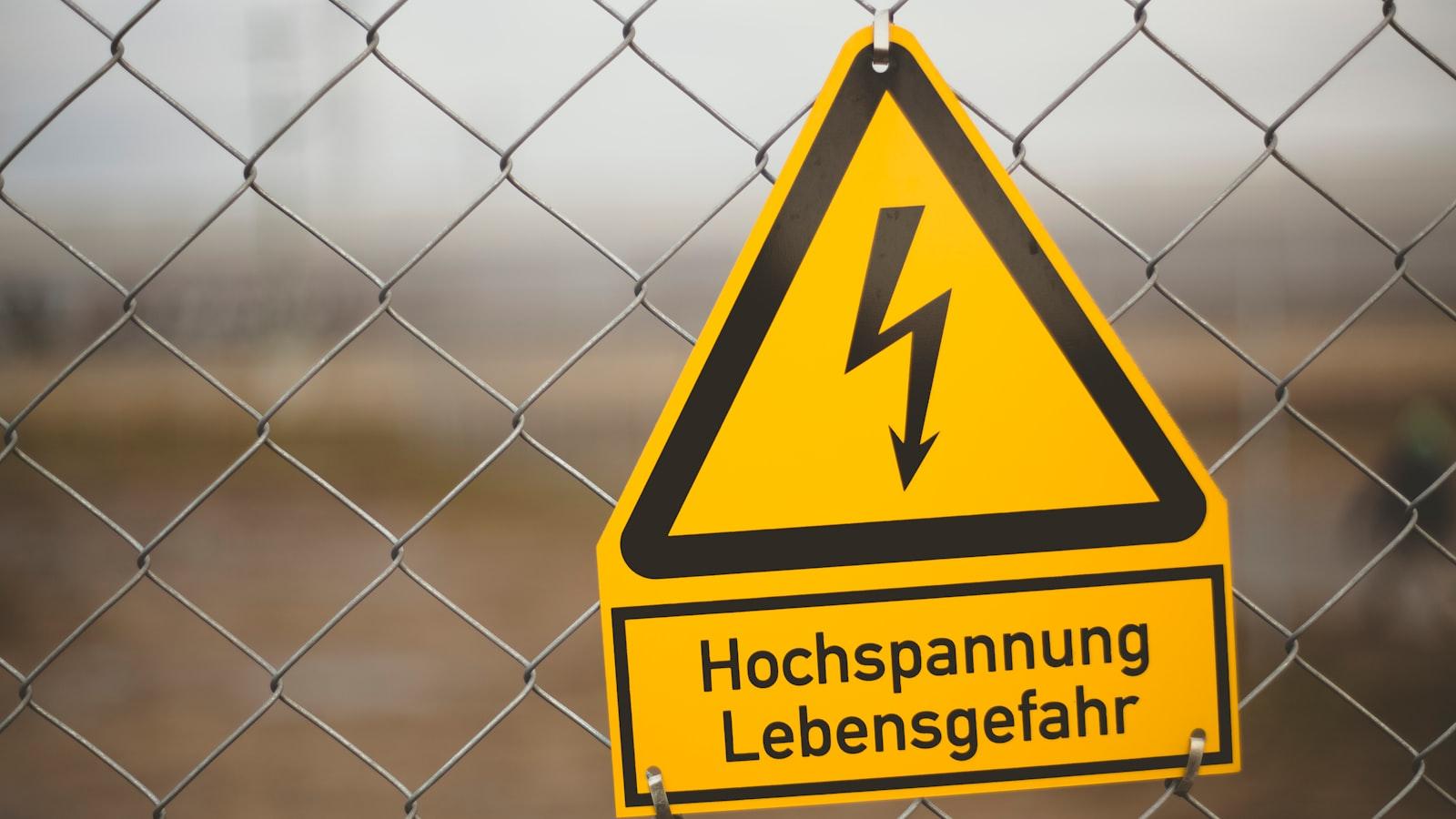
Trust is a powerful tool that can foster relationships and build partnerships. However, when misplaced, trust can lead to disastrous consequences. One of the main negatives of trust is the risk of betrayal. When you place your trust in someone who is untrustworthy, you open yourself up to potential deception, manipulation, and dishonesty.
Another peril of misplaced trust is vulnerability. By trusting someone who has ulterior motives or malicious intent, you are putting yourself at risk of being taken advantage of. This can lead to financial loss, emotional damage, and even legal consequences. It is crucial to be cautious and discerning when placing your trust in others, especially in professional and personal matters.

Consequences of Betrayed Trust
When trust is betrayed, the consequences can be devastating. The negative effects of betrayed trust can have far-reaching implications on relationships, both personal and professional. Some of the consequences of betrayal include:
- Broken Relationships: Betrayed trust can lead to irreparable damage in relationships. Once trust is broken, it can be difficult to rebuild, leading to distance and a lack of intimacy between individuals.
- Loss of Reputation: When trust is betrayed, it can tarnish a person’s reputation and credibility. Others may view the individual as untrustworthy, making it challenging to establish new relationships or maintain existing ones.
| Consequences | Effects |
|---|---|
| Broken Relationships | Distance and lack of intimacy |
| Loss of Reputation | Tarnished credibility |
Q&A
Q: What are the negatives of trust?
A: Trust is often seen as a positive attribute, but it can have negative consequences as well.
Q: How can trust be harmful?
A: Trusting someone too easily can make you vulnerable to being taken advantage of or manipulated.
Q: Can trust lead to betrayal?
A: Unfortunately, yes. Trusting someone who then breaks that trust can be incredibly painful and damaging.
Q: Are there any risks associated with trusting others?
A: Absolutely. Trusting the wrong person can lead to disappointment, heartbreak, and even financial loss.
Q: Is it possible to avoid the negatives of trust altogether?
A: While it’s impossible to completely eliminate the risks associated with trust, being cautious and discerning in who you trust can help minimize the negative outcomes.
Insights and Conclusions
In conclusion, trust is a complex concept that comes with its own set of drawbacks. From disappointment to betrayal, these negatives can have a profound impact on our relationships and well-being. However, acknowledging and understanding these downsides can help us navigate the world of trust more effectively. Remember, balance is key when it comes to trusting others, so proceed with caution and an open mind. Thank you for exploring the negatives of trust with us.
Have a question about your estate?
Talk it through with Russel Morgan — free 30-minute consult.